Exhaust Systems
That Pass Fire Marshal Inspections
Commercial Hood Cleaning in Snohomish for high-volume food service operations facing strict fire and health code enforcement
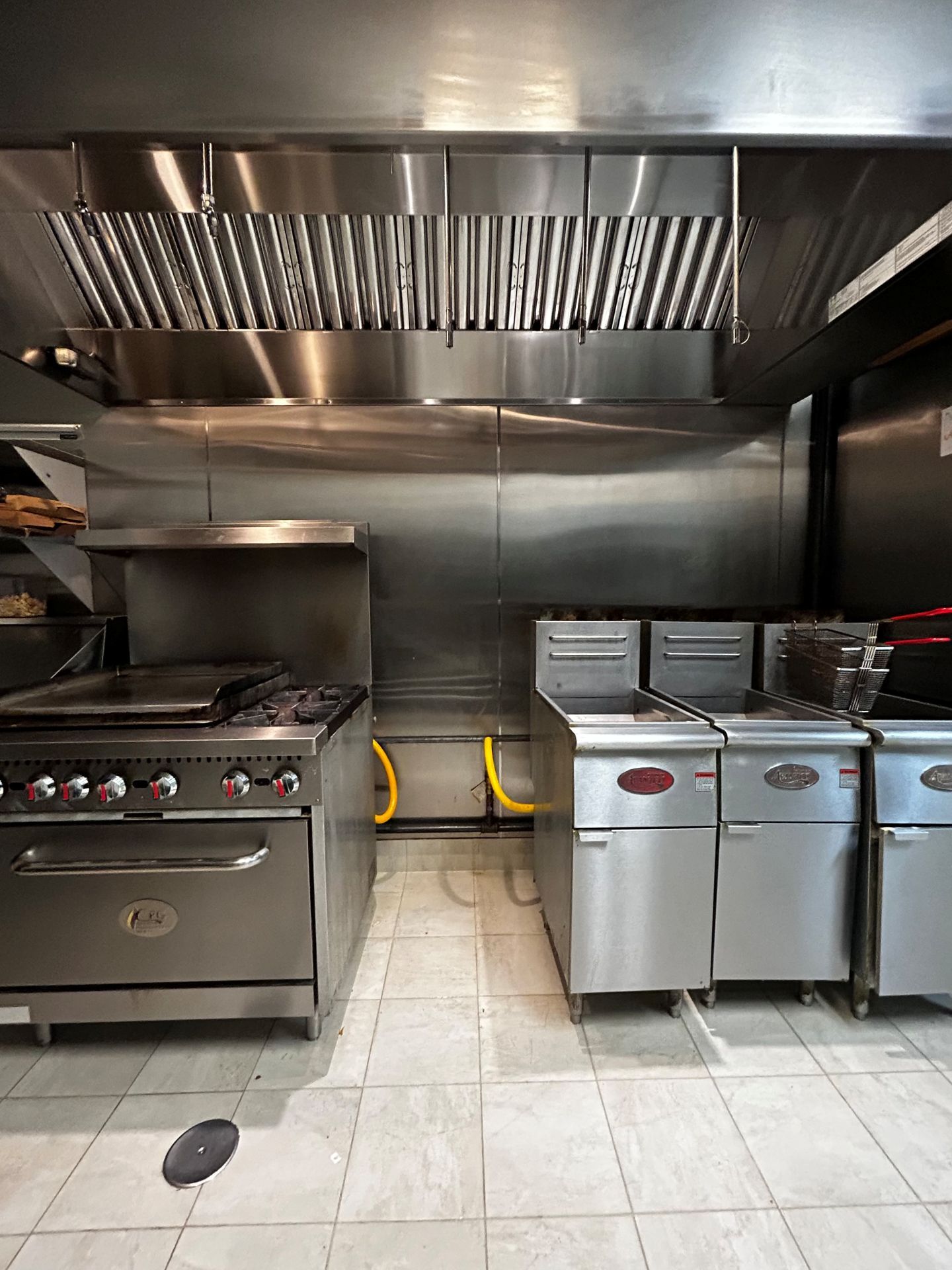
High-volume restaurant kitchens in the Seattle metro area generate heavy grease buildup that accumulates inside hood plenums, exhaust ducts, and fan assemblies faster than monthly maintenance can address. Regulator Hood Cleaning specializes in restaurant and commercial kitchen hood systems across Snohomish, Seattle, and Bellevue, using checklist-verified protocols that prevent the skipped detail work responsible for code violations. Fire codes in this region mandate frequent degreasing because grease-fueled fires spread through ductwork in seconds, and incomplete cleaning leaves accelerant residue in place even after crews finish surface work.
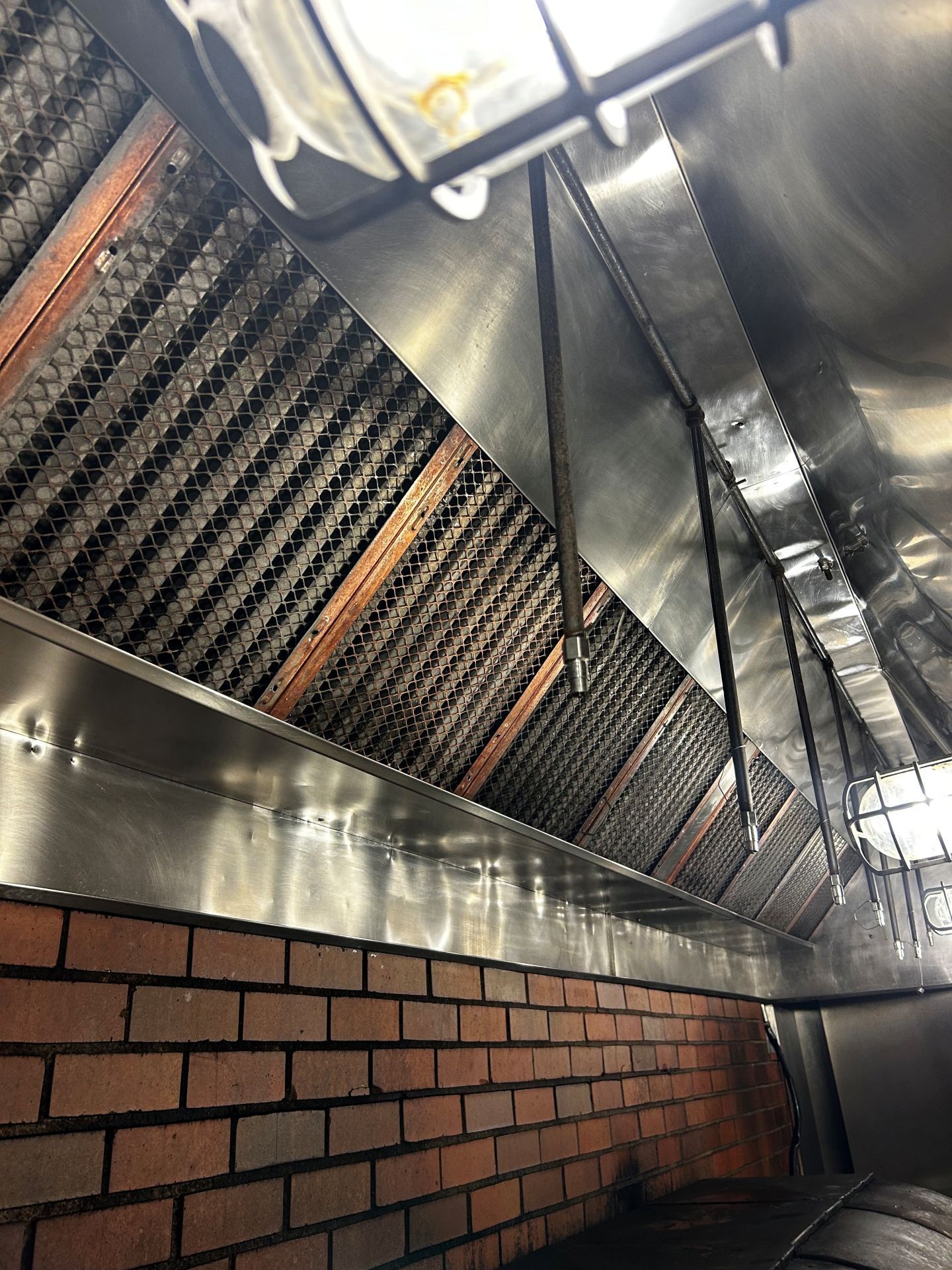
The service involves complete hood cavity cleaning, fan blade and motor degreasing, and vent cap maintenance that removes grease from hard-to-reach areas inside ductwork and around damper assemblies. Grease removal extends into exhaust ducts where vapor condenses along seams and bends, creating deposits that standard wipe-downs cannot address. Crews document each component serviced during the visit, ensuring that vertical plenum walls, horizontal ledges, and rooftop vent caps receive the same attention as baffle filters.
Request a detailed estimate based on your kitchen's exhaust system configuration and current grease accumulation levels.
How Commercial Hood Cleaning Prevents Fire Hazards
Hood cavity degreasing removes the tacky residue that forms on interior surfaces during high-heat cooking, while exhaust fan service addresses grease buildup on blades that reduces airflow and overheats motors. Ductwork flushing eliminates deposits from sections between the hood plenum and roof termination, where grease accumulates in horizontal runs and elbows. Regulator Hood Cleaning follows written service checklists that specify each task, ensuring appliance fronts, baseboards, and other detail areas often missed by competitors receive thorough attention during every scheduled visit.
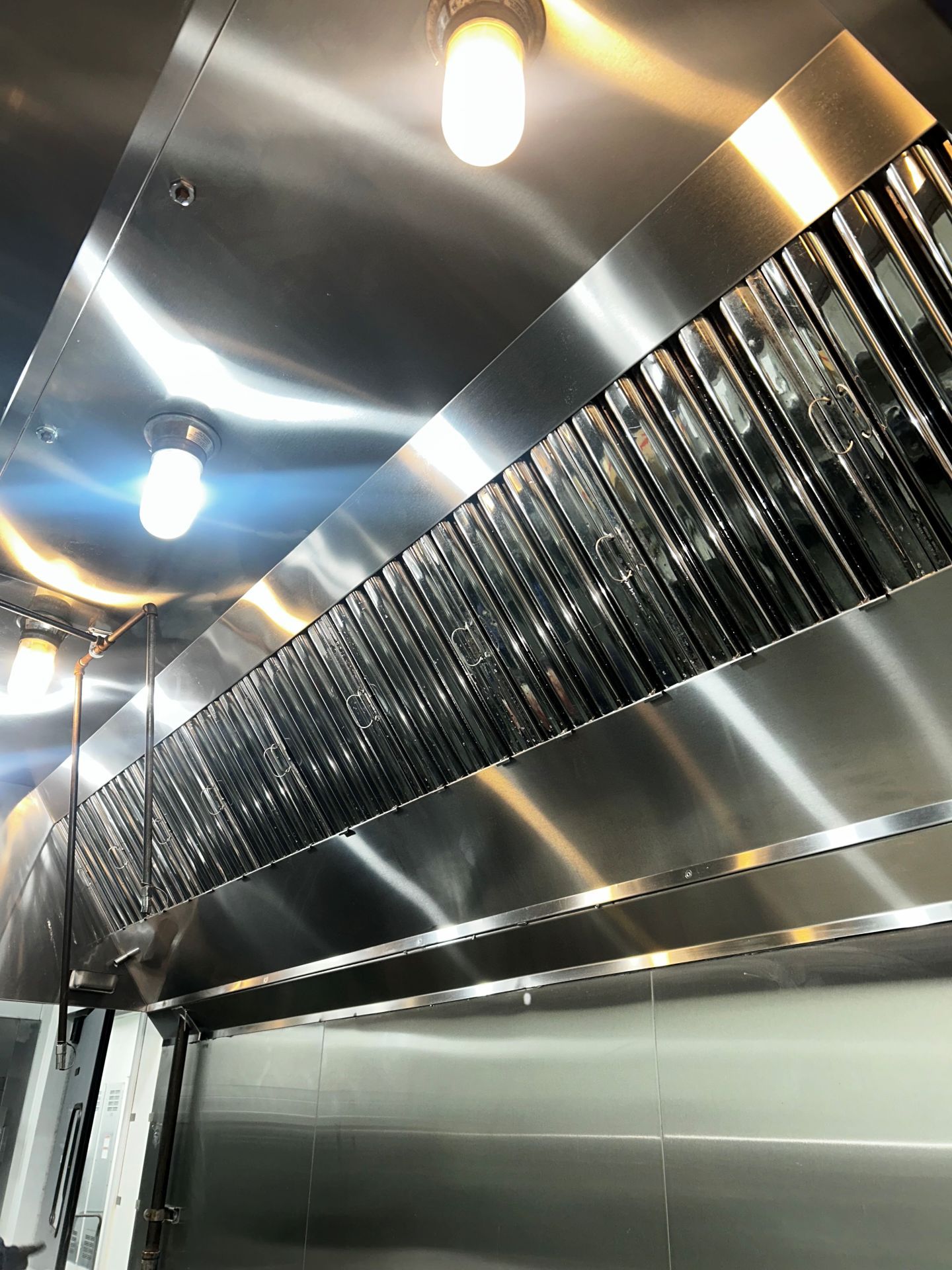
After cleaning, hood interiors reveal bare metal instead of grease layers, and exhaust fans operate quietly without the vibration caused by unbalanced blades caked with residue. Kitchen temperatures drop because airflow improves, and exterior vent caps no longer drip grease onto roofing materials or siding. Fire inspectors find clean ductwork and compliant grease levels during walkthroughs, eliminating the violations that result in temporary closures or delayed permit renewals.
Same-crew consistency across visits ensures familiarity with your specific system layout, and bonded, insured technicians handle all degreasing work. Scheduling accommodates late-night or early-morning access to avoid disrupting meal service, and frequency-based plans adjust to match cooking volume and equipment type.
Common Questions About This Service
Restaurant operators in Snohomish and surrounding Seattle-area cities typically want clarity on commercial hood cleaning processes and compliance requirements before committing to a maintenance schedule.
What does commercial hood cleaning include beyond filter replacement?
The service covers the entire exhaust pathway: hood plenum interior walls and ceiling, fan blades and motor housing, ductwork from hood to exterior termination, rooftop vent cap, and damper assemblies. Written checklists document each area serviced, ensuring nothing is overlooked during the visit.
How much does commercial hood cleaning cost per visit?
Pricing depends on system size, ductwork length, grease accumulation level, and access difficulty. Larger kitchens with extensive ductwork or rooftop equipment require more labor hours, while frequency-based contracts reduce per-visit costs by maintaining cleaner baseline conditions.
Why does grease accumulate faster in some kitchens than others?
Solid fuel cooking, charbroilers, and high-temperature frying generate more grease vapor than gas or electric equipment. Cooking volume also matters—kitchens running continuous service produce heavier buildup than those operating limited hours. Cleaning frequency should match these operational factors.
When should commercial kitchens schedule hood cleaning visits?
Most Seattle-area health departments and fire codes require monthly cleaning for high-volume or solid fuel operations, quarterly for moderate-volume gas or electric kitchens. Scheduling during off-hours prevents disruption, and consistent timing prevents grease from reaching fire hazard levels between services.
Can I see documentation after each cleaning?
Written service checklists provide a record of all components cleaned during the visit, including photos of before and after conditions when requested. This documentation supports compliance during fire marshal inspections and demonstrates due diligence for insurance purposes.
Regulator Hood Cleaning serves commercial kitchens throughout Snohomish, Seattle, and Bellevue with bonded crews trained in checklist-based protocols. Schedule an initial consultation to assess your exhaust system and establish a maintenance frequency that aligns with fire code requirements and operational demands.