Fans That Move Air
Without Overheating
Kitchen Exhaust Fan Service in Snohomish for commercial operations where grease accumulation reduces airflow and causes motor failures
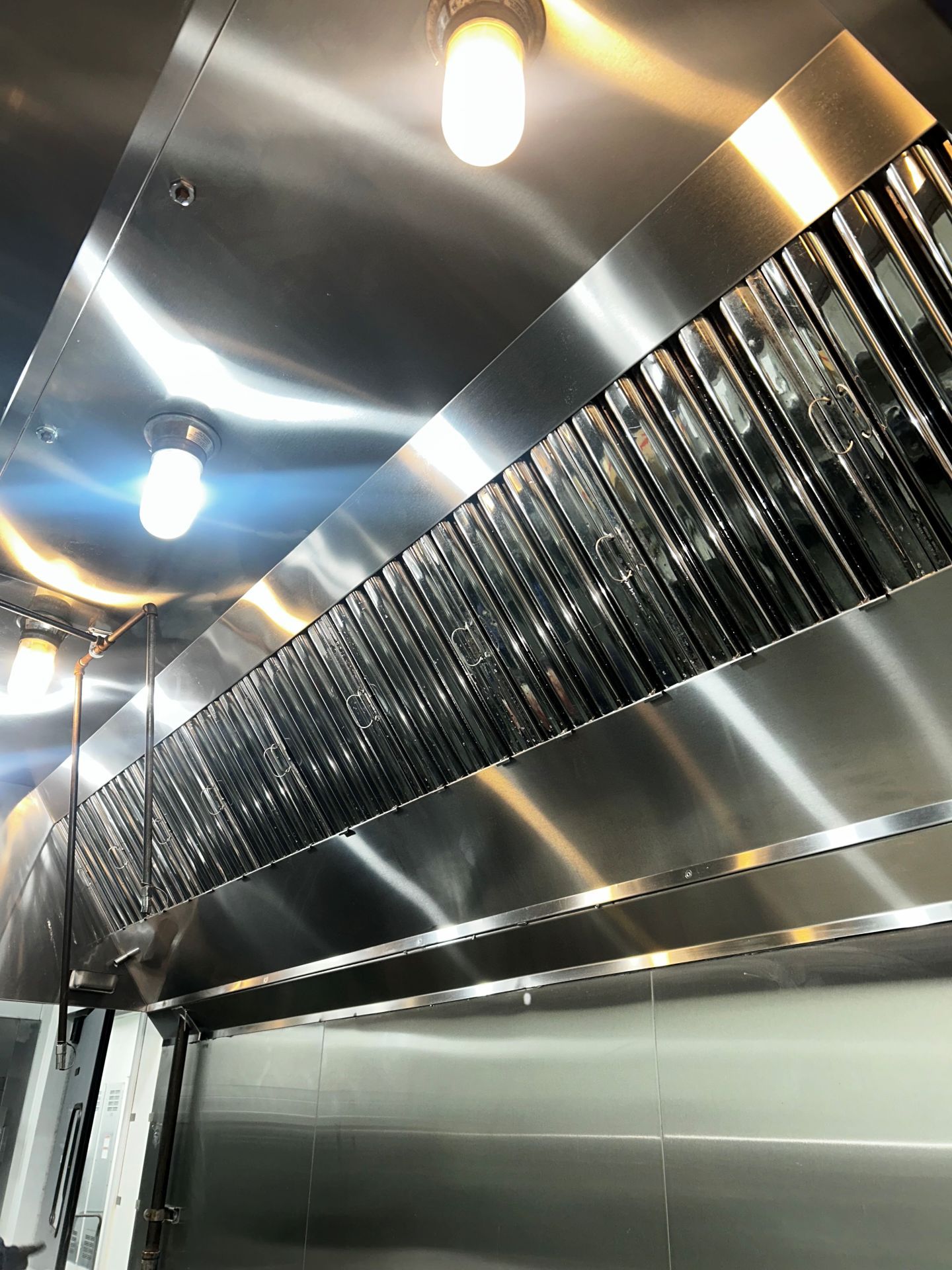
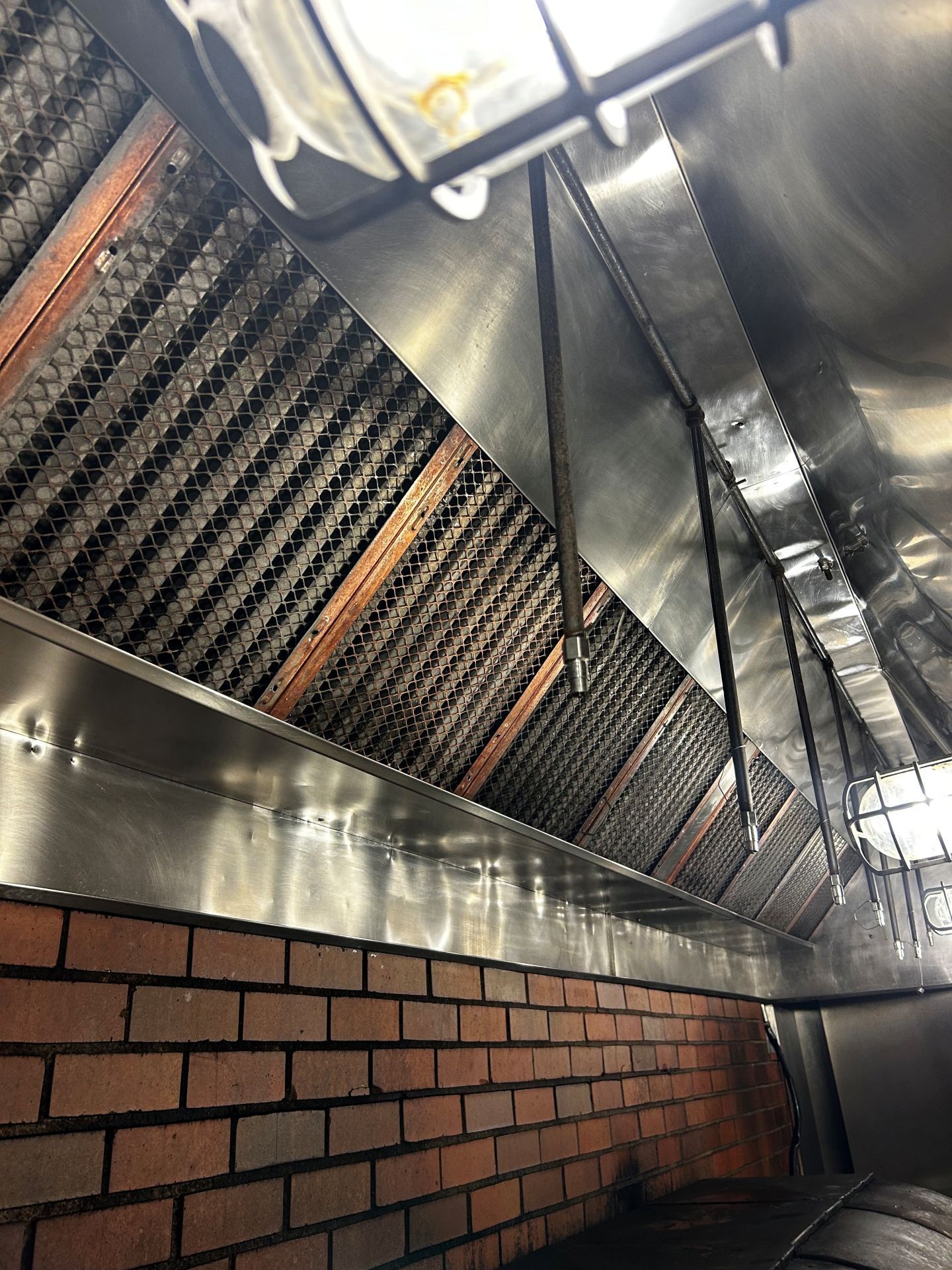
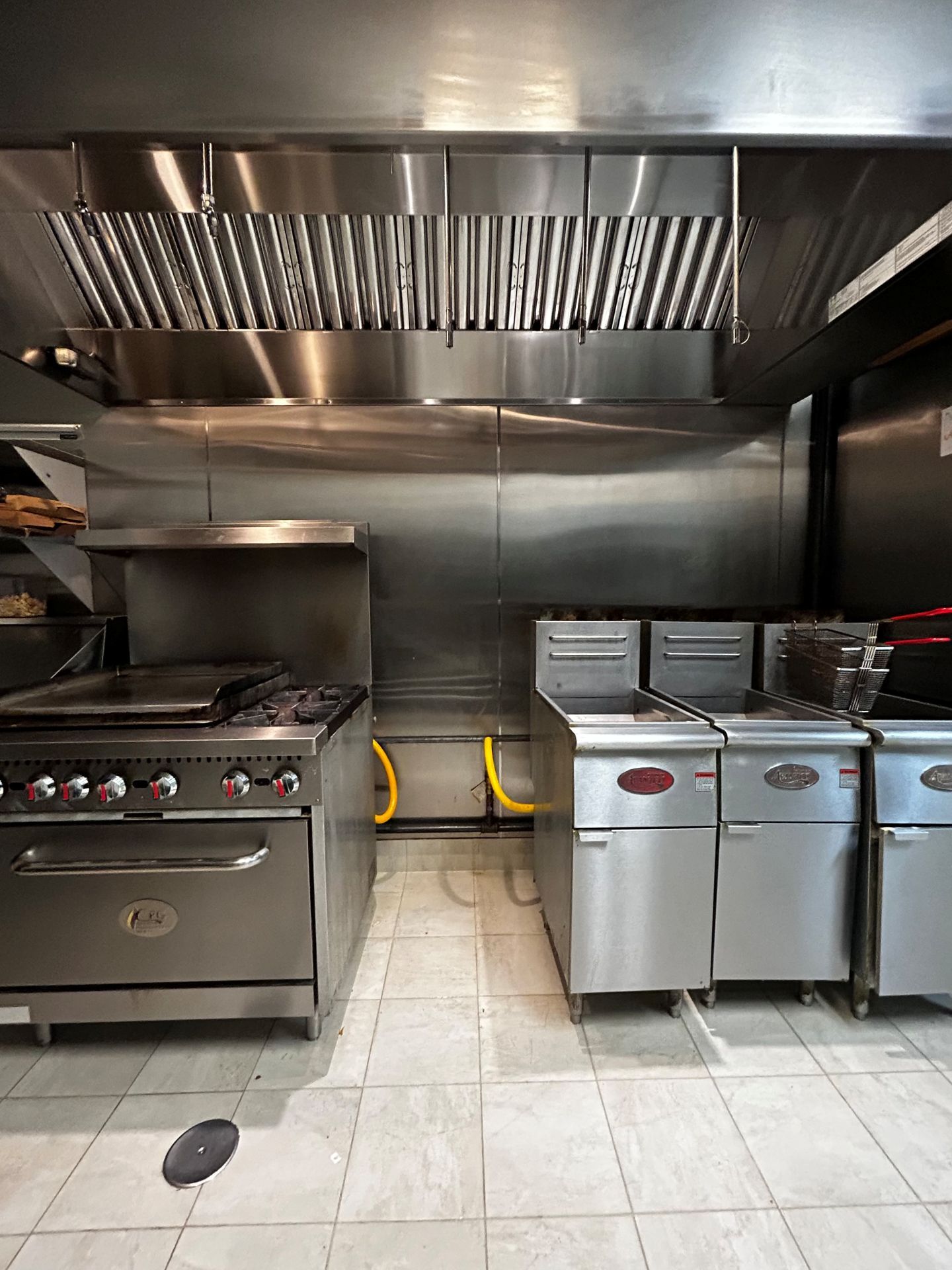
Grease buildup on exhaust fan blades creates imbalance that wears bearings prematurely, while deposits around motor housings trap heat that shortens motor life and increases fire risk in commercial kitchen exhaust systems. Regulator Hood Cleaning specializes in exhaust fan motor cleaning and blade degreasing for operations in Snohomish, Seattle, and Bellevue, addressing the detail work that competitors skip during standard hood cleanings. Fan performance directly impacts kitchen temperature control and grease accumulation rates—restricted airflow causes heat to build during service hours and allows more grease vapor to condense inside ductwork instead of exhausting outdoors.
Service includes fan blade degreasing that removes hardened residue from leading and trailing edges, motor housing cleaning that eliminates grease from ventilation slots and mounting brackets, damper lubrication to ensure smooth operation, and performance inspection that identifies worn bearings or electrical issues before they cause failures. Seattle-area restaurants depend on reliable exhaust systems to maintain health code compliance and comfortable working conditions, and frequent service prevents the emergency repairs that disrupt operations during peak business periods.
Schedule an equipment evaluation to identify current fan performance issues and determine the maintenance frequency that prevents future breakdowns.
What Changes After Exhaust Fan Service
Fan blade degreasing restores proper balance by removing the uneven grease coating that causes vibration and bearing wear, while motor housing cleaning improves cooling airflow around windings and prevents the heat buildup that trips thermal overload protection. Damper lubrication eliminates the binding that prevents proper closure when fans shut down, maintaining correct backdraft prevention and airflow balance across multiple hood systems. Written service checklists document blade condition, motor amperage draw, damper operation, and any developing issues that require monitoring or repair during future visits.
After service, exhaust fans run quietly without the grinding or squealing noise caused by worn bearings or unbalanced blades, and kitchen temperatures remain stable during peak cooking hours because airflow capacity returns to design specifications. Motors draw normal amperage instead of the elevated current that indicates mechanical resistance from grease buildup, reducing energy costs and preventing nuisance breaker trips. Dampers close completely when fans stop, eliminating the backdrafts that allow outdoor air into the kitchen during off-hours.
Bonded and insured technicians handle all fan service work, and scheduling accommodates late-night or early-morning access to minimize operational disruption. The same crew returns for each visit, maintaining familiarity with your equipment's performance history and identifying changes that indicate developing problems before they cause failures.
What Property Owners Usually Ask
Commercial kitchen operators in Snohomish and the Seattle metro area frequently have questions about exhaust fan maintenance requirements and performance standards before scheduling service.
What does kitchen exhaust fan service include?
The service covers fan blade degreasing on both sides, motor housing exterior cleaning, damper linkage lubrication and adjustment, bearing inspection for wear or noise, and performance testing that measures amperage draw and airflow. Written checklists document findings from each visit, tracking changes over time that indicate developing issues.
How often do exhaust fans need cleaning and inspection?
Frequency depends on cooking volume and grease generation—high-volume operations using charbroilers or solid fuel require monthly fan service, while moderate-volume kitchens typically schedule quarterly maintenance. Regular cleaning prevents the heavy buildup that accelerates bearing wear and motor failures.
Why do some exhaust fans vibrate excessively after standard hood cleaning?
Vibration indicates unbalanced fan blades, usually caused by uneven grease removal or hardened deposits remaining on blade edges. Thorough degreasing eliminates all residue from both sides of each blade, restoring proper balance and eliminating the vibration that damages bearings and motor mounts.
What happens when exhaust fan motors overheat?
Grease accumulation around motor housings blocks cooling airflow, causing windings to overheat and trip thermal protection or fail completely. Regular motor housing cleaning maintains proper cooling, extending motor life and preventing the emergency replacements that cost thousands in parts and lost business during repairs.
Can fan service identify problems before equipment fails?
Performance inspections measure motor amperage draw, bearing noise, damper operation, and blade condition. Abnormal readings indicate developing problems that can be addressed during scheduled maintenance rather than waiting for failures that shut down kitchen operations during meal service.
Regulator Hood Cleaning provides kitchen exhaust fan service throughout Snohomish, Seattle, and Bellevue with bonded crews trained in detailed cleaning and inspection protocols. Contact our office to establish a maintenance schedule that keeps your exhaust system operating reliably and prevents the costly emergency repairs that disrupt restaurant operations.