Surfaces That Meet Health
Inspection Standards
Kitchen Equipment Cleaning in Snohomish for commercial food service operations maintaining health code compliance and operational cleanliness
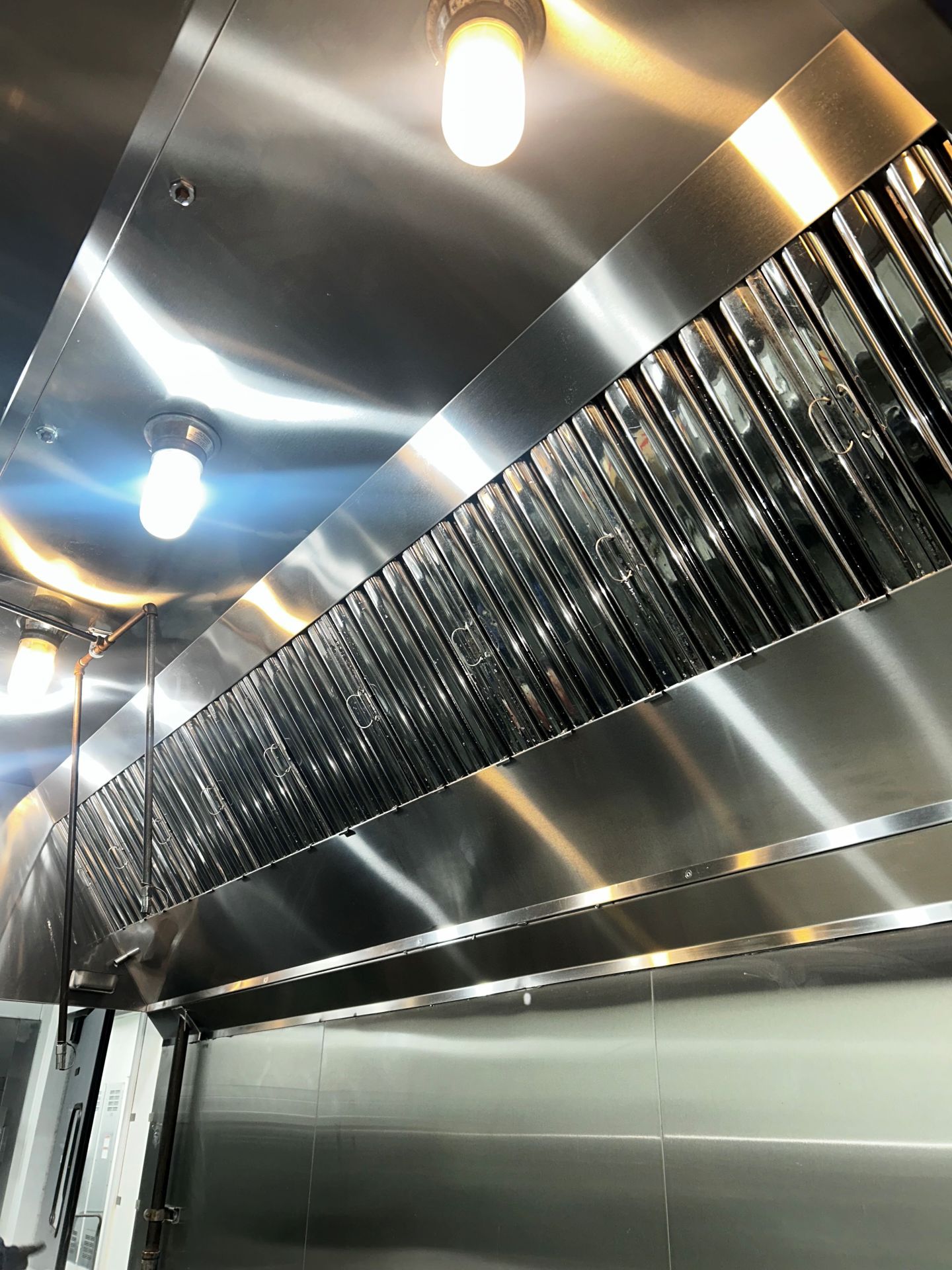
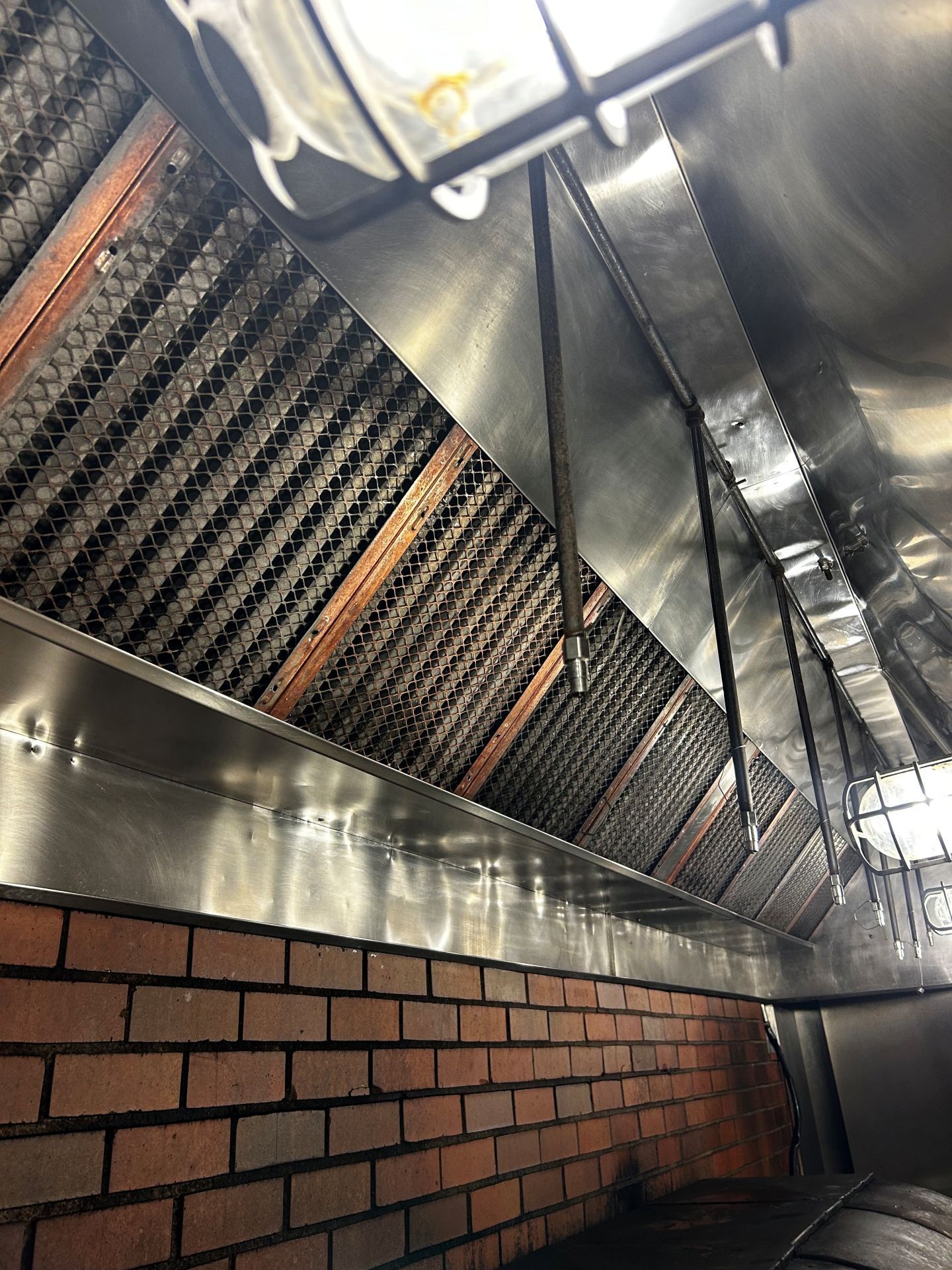
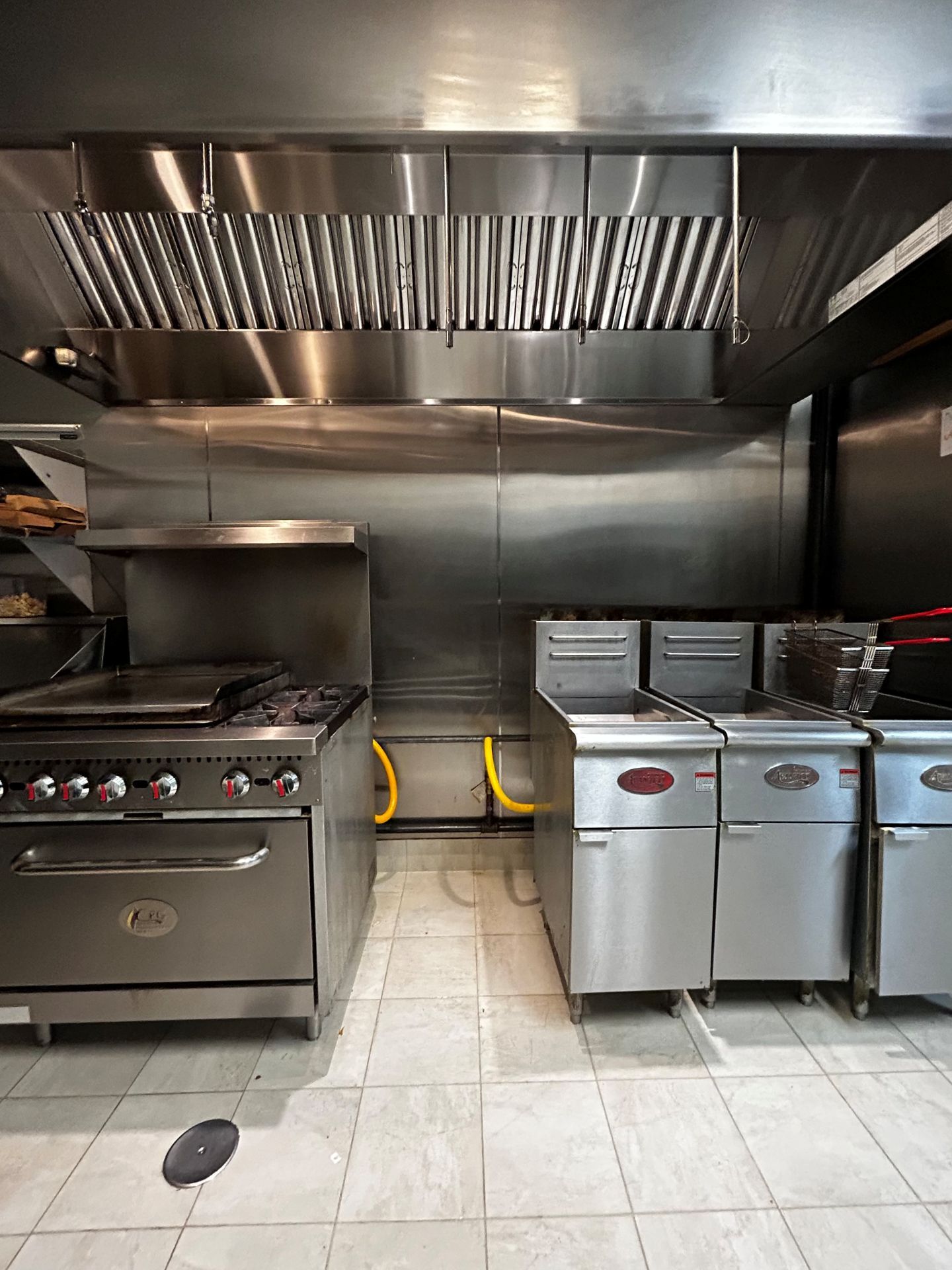
Appliance fronts collect grease overspray that hardens into films, equipment surrounds accumulate residue in seams and baseboards, and detail areas behind cooking lines trap debris that standard nightly cleaning misses. Kitchen Equipment Cleaning addresses ancillary surfaces as part of comprehensive exhaust service for commercial kitchens in Seattle, Bellevue, and Snohomish. The work integrates with exhaust cleaning appointments, so crews handle both systems during the same service visit without requiring separate scheduling or additional facility access.
Regulator Hood Cleaning includes appliance front degreasing, equipment surround cleaning, and baseboard detail work in the standard service checklist used during exhaust cleaning appointments. Commercial kitchens operating in the Seattle metro face health code inspections that evaluate not just food-contact surfaces but also the general cleanliness of equipment exteriors and surrounding areas where grease and debris indicate inadequate maintenance practices.
Request a detailed estimate based on your current equipment layout and the cleaning frequency that aligns with your exhaust service schedule.
How Equipment Cleaning Integrates With Exhaust Service
The process begins with appliance exterior degreasing—fryer fronts, oven doors, range sides, and refrigeration unit panels receive solvent application and scrubbing to remove grease films that build up from daily cooking operations. Equipment surrounds, including wall sections behind cooking lines and floor-to-wall seams, are cleaned to remove residue that accumulates in areas difficult to reach during routine end-of-shift cleaning.
After the work finishes, appliance fronts appear visibly cleaner without grease hazing, baseboards no longer show dark buildup in corners and seams, and equipment surrounds lose the residue layers that health inspectors note as deficiencies during facility evaluations. The cleaning occurs during the same appointment as exhaust service, which means you address both fire safety and health code requirements without coordinating separate vendor visits or disrupting operations multiple times per month.
Bonded crews handle sensitive kitchen equipment safely, avoiding control panels, electrical connections, and ventilation openings that require careful treatment during cleaning. The service focuses on visible surfaces and detail areas that affect inspection outcomes rather than attempting deep equipment disassembly or maintenance tasks outside the scope of surface cleaning.
Answers to Frequent Service Questions
Commercial kitchen operators in Snohomish and nearby metro areas often ask about equipment cleaning logistics before adding the service to existing exhaust maintenance contracts.
What equipment surfaces does the cleaning cover?
The service targets appliance fronts including ovens, fryers, ranges, and refrigeration units, plus equipment surrounds such as walls behind cooking lines, baseboards, and floor seams where grease and debris collect outside the normal reach of nightly cleaning crews.
How does this differ from daily kitchen cleaning?
Daily cleaning focuses on food-contact surfaces and immediate work areas, while equipment cleaning addresses exterior surfaces, hard-to-reach seams, and ancillary areas that require periodic deep attention to prevent long-term grease buildup and health code deficiencies.
Why schedule equipment cleaning with exhaust service?
Combining both services during one appointment reduces facility disruption, eliminates the need to coordinate separate vendor schedules, and ensures that crews already familiar with your kitchen layout handle all cleaning tasks during a single service window.
What cleaning agents are used on equipment surfaces?
Technicians apply commercial degreasers formulated for food service environments, avoiding harsh solvents near food preparation areas and using products that rinse cleanly without leaving residue on stainless steel and painted surfaces.
How often should equipment cleaning occur in Snohomish kitchens?
Most operations benefit from monthly or quarterly equipment cleaning that aligns with exhaust service frequency, though high-volume kitchens with heavy grease production may require more frequent attention to maintain inspection-ready cleanliness.
Regulator Hood Cleaning integrates equipment cleaning into exhaust service checklists, so both tasks receive consistent attention during every scheduled appointment. Contact our team at (425) 422-9152 to discuss adding equipment cleaning to your current exhaust maintenance schedule and ensure all surfaces meet health code standards.