Hood Systems Ready for Health Department Walkthroughs
Restaurant Hood Cleaning in Snohomish for operations where grease buildup creates fire code violations and equipment failures
Restaurant kitchens running continuous service accumulate grease inside hood plenums, ductwork, and exhaust fans at rates that exceed what quarterly cleaning can address, leaving residue that ignites during flare-ups and fails fire marshal inspections. Regulator Hood Cleaning delivers comprehensive hood and exhaust cleaning tailored to restaurant operations in Snohomish, Seattle, and Bellevue, targeting the detail work on appliance fronts, baseboards, and duct interiors that other crews skip to save time. High-volume kitchens in the Seattle metro area face strict fire and health inspection standards, and written checklists prevent the missed steps that leave grease deposits in place even after surface cleaning appears complete.
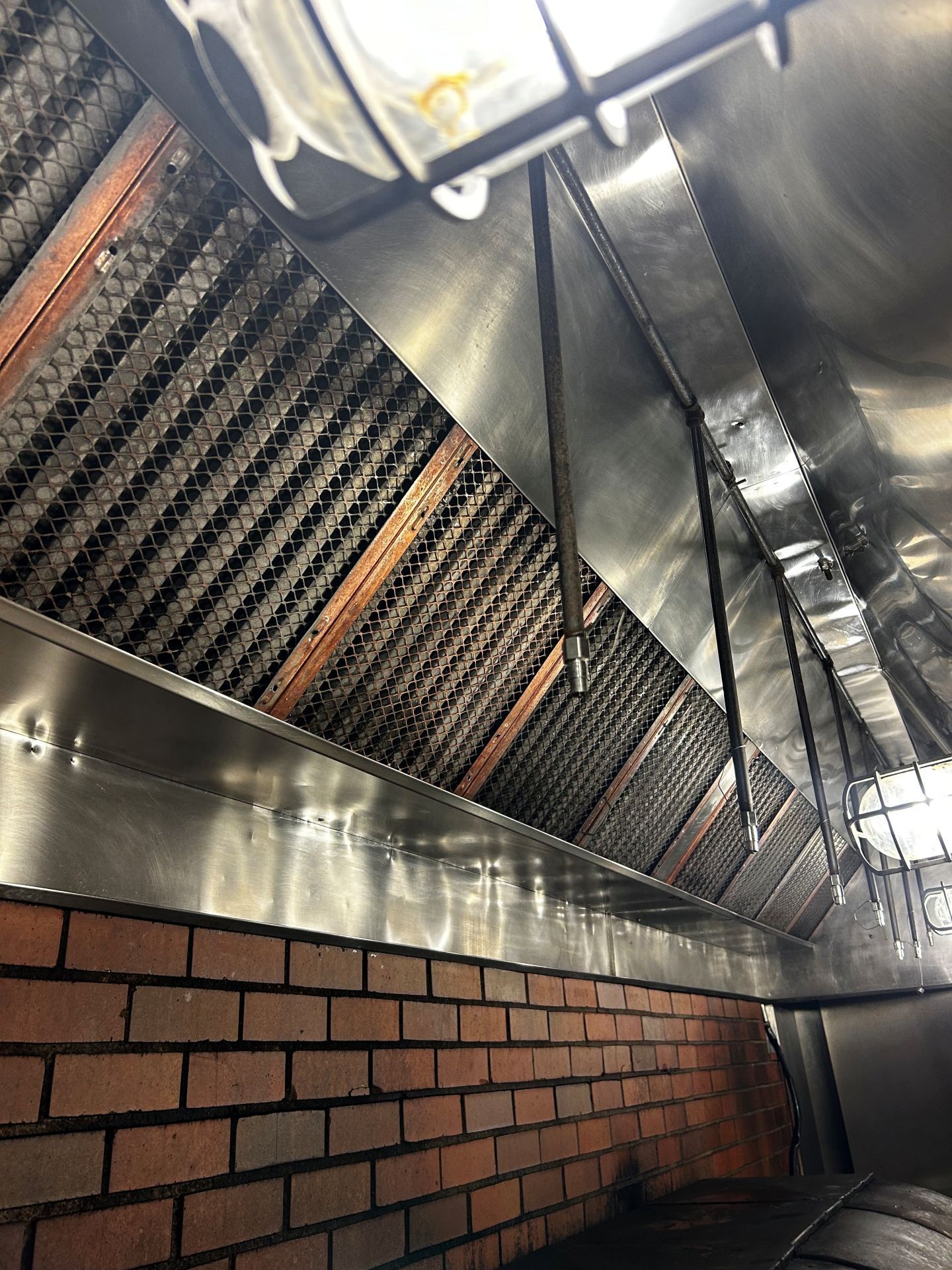
Cleaning addresses hood cavity deep degreasing, exhaust fan blade and motor servicing, ductwork flushing from hood to roof cap, and detail work on appliance surrounds where grease splatter hardens into residue that standard wipe-downs cannot remove. Grease vapor condenses inside ductwork during cooling cycles, forming deposits along horizontal runs and elbow joints that restrict airflow and create fire hazards invisible from ground level.
Schedule a site visit to assess your hood system's current condition and identify areas requiring immediate attention before the next inspection cycle.
What Distinguishes Thorough Restaurant Hood Cleaning
Hood cavity deep cleaning removes grease from vertical plenum walls and horizontal ledges where residue accumulates out of sight behind baffle filters, while exhaust fan degreasing eliminates buildup on blades and motor housings that causes vibration and overheating. Ductwork flushing extends into sections between the hood and exterior vent cap, addressing grease deposits in horizontal runs and bends where vapor condenses during off-hours. Same-crew consistency across visits ensures technicians recognize your system's specific trouble spots—areas where grease accumulates faster due to equipment placement or cooking methods—and adjust cleaning protocols accordingly.
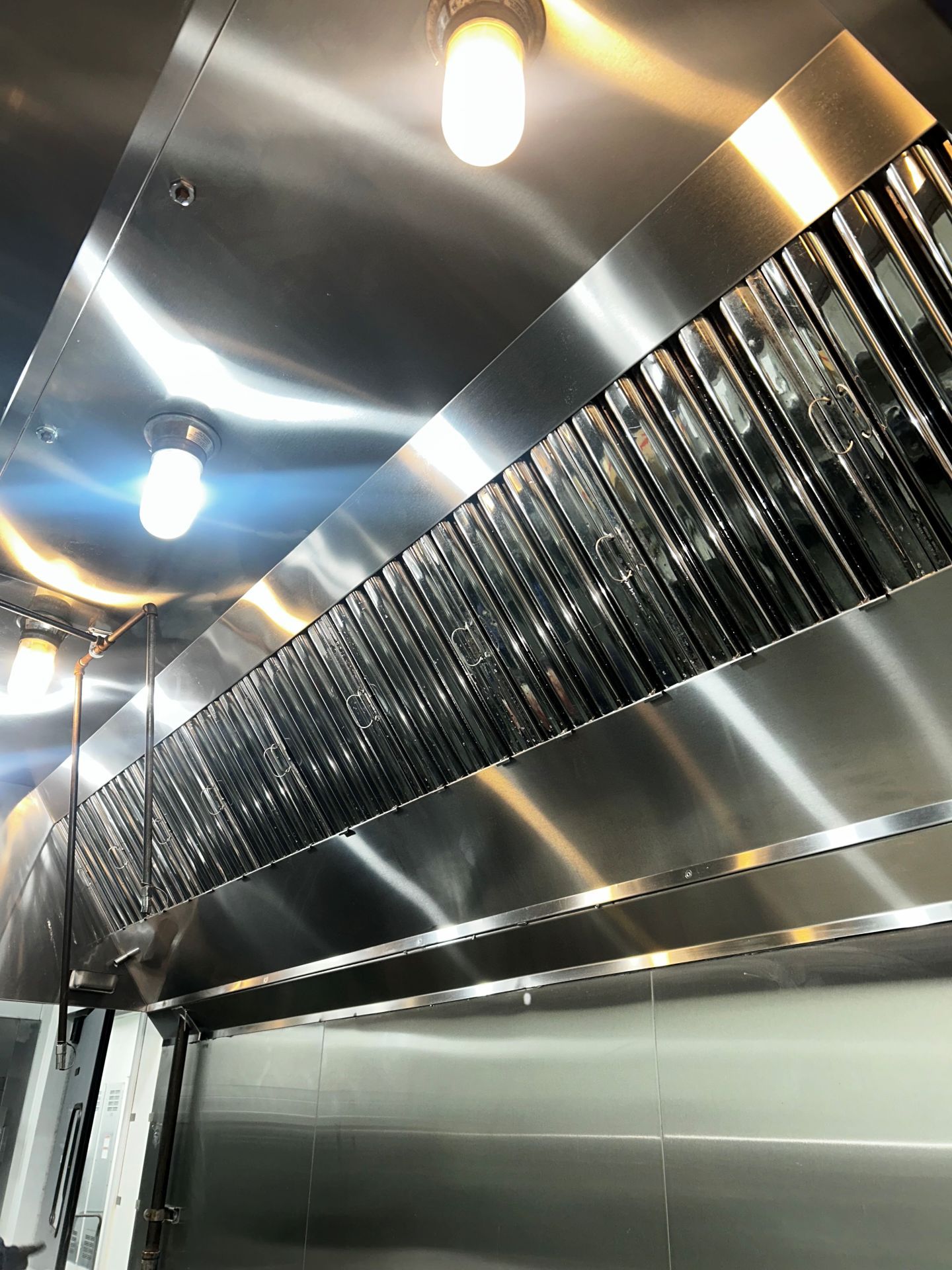
After cleaning, hood interiors show bare stainless steel instead of sticky brown residue, and exhaust fans spin freely without the grinding noise caused by grease-caked bearings. Appliance fronts and baseboards no longer display hardened grease splatter, and exterior vent caps stop dripping grease onto roofing or siding. Kitchen temperatures drop because improved airflow removes heat more efficiently, and fire inspectors find clean ductwork with grease levels well below code limits during compliance walkthroughs.
Written service checklists document each component cleaned during the visit, providing records that satisfy fire marshal documentation requirements and demonstrate maintenance diligence for insurance purposes. Bonded and insured crews handle all degreasing work, and scheduling accommodates late-night or early-morning access to avoid disrupting meal service or prep schedules.
Answers to Frequent Service Questions
Restaurant operators in Snohomish and the broader Seattle area typically need clarity on hood cleaning scope, frequency, and documentation requirements before committing to service agreements.
What areas does restaurant hood cleaning cover?
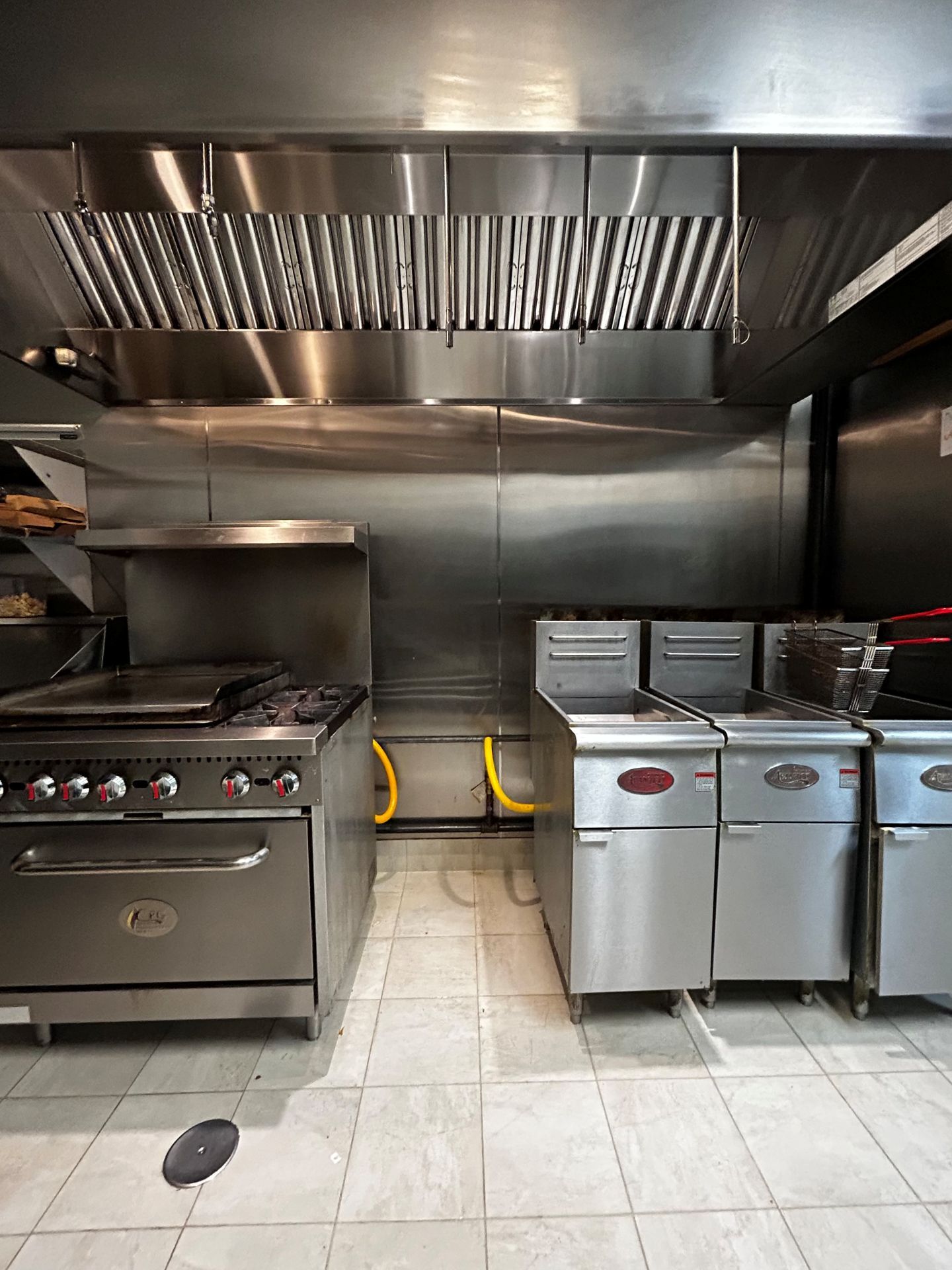
The service includes hood plenum interior surfaces, baffle filters, exhaust fan blades and motor housing, ductwork from hood to roof termination, exterior vent cap, appliance fronts adjacent to the hood, and baseboards where grease splatter accumulates. Written checklists ensure every component receives documented attention during each visit.
How does cooking method affect hood cleaning frequency?
Charbroilers, solid fuel equipment, and high-temperature fryers generate more grease vapor than gas ranges or electric ovens. Restaurants using these methods require monthly cleaning to stay ahead of buildup, while operations using lower-temperature equipment typically schedule quarterly service to maintain code compliance.
Why do some hood cleaning companies skip appliance fronts and baseboards?
These areas require hand scraping and detail work that add labor time without increasing visible impact inside the hood plenum. Crews without checklist protocols often omit these tasks, but grease on appliance surfaces and floors contributes to overall fire load and appears prominently during health inspections.
What happens if ductwork is not flushed during cleaning?
Grease deposits in ductwork continue accumulating between cleanings, restricting airflow and creating fire hazards that spread rapidly once ignited. Flushing removes these hidden deposits, ensuring the entire exhaust pathway meets fire code standards rather than just the visible hood interior.
Can I receive documentation after each cleaning visit?
Written service checklists provide a dated record of all components cleaned and any issues identified during the visit. This documentation supports compliance during fire marshal inspections and serves as evidence of proper maintenance for insurance claims or permit renewals.
Regulator Hood Cleaning serves restaurant kitchens throughout Snohomish, Seattle, and Bellevue with crews trained in checklist-based protocols that prevent skipped detail work. Request an initial assessment to review your exhaust system configuration and establish a cleaning schedule aligned with your operational demands and fire code requirements.