Ductwork That Doesn't Create Fire Risk
Kitchen Exhaust Cleaning in Snohomish for commercial food service operations managing grease accumulation and fire code compliance
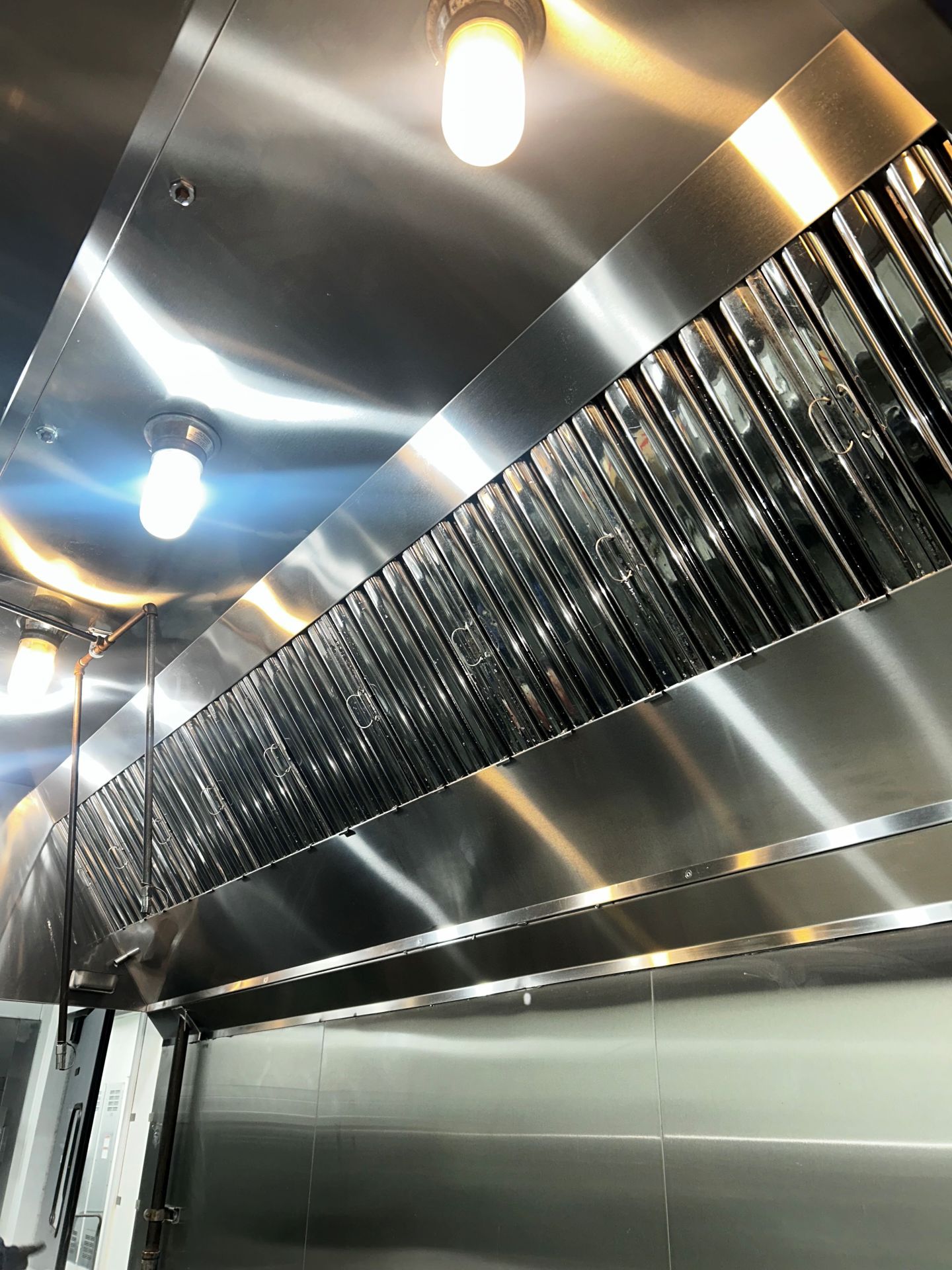
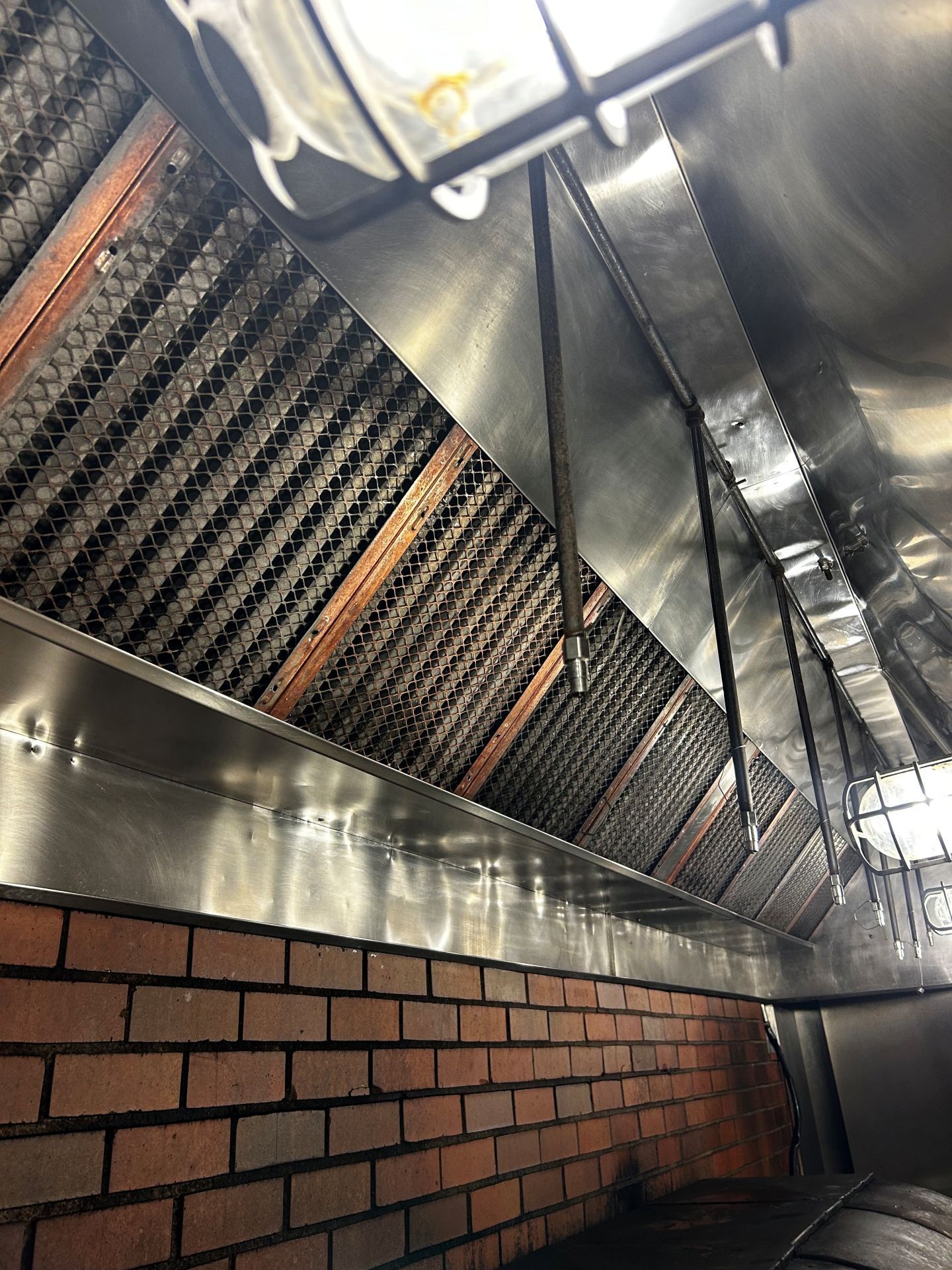
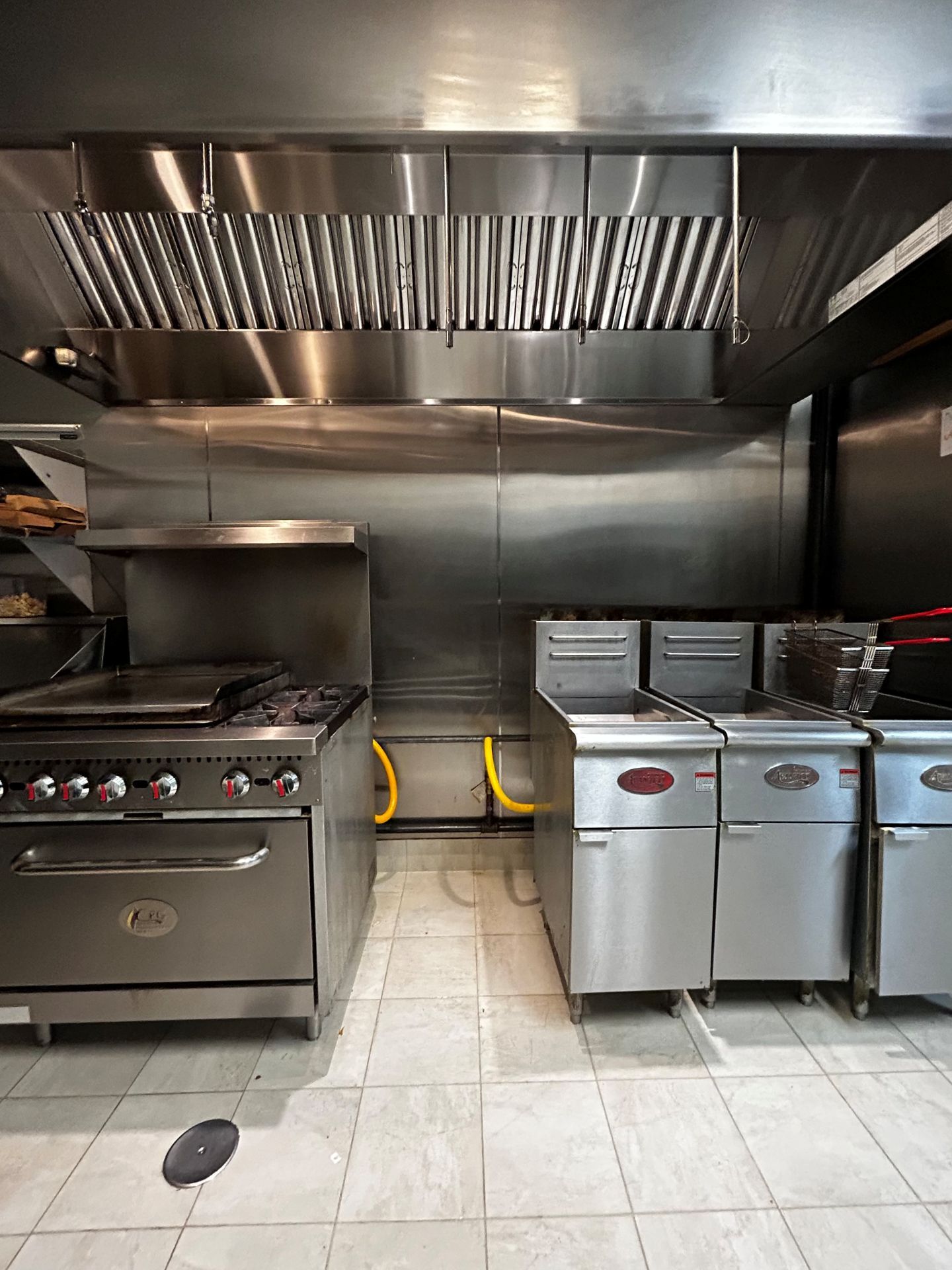
Grease buildup in exhaust pathways creates fire hazards that escalate with every service shift—hood cavities collect vapors, ductwork channels solidify deposits, and roof terminations clog with residue. Regulator Hood Cleaning addresses the complete exhaust pathway from hood interior through ductwork to roof termination for commercial kitchens operating in Snohomish, Seattle, Bellevue, and Seattle Hill Road. You see the difference when filters release easily, airflow improves audibly, and surfaces no longer carry tacky grease films that attract dust and debris.
The service covers hood cavity cleaning, full ductwork grease removal, exhaust fan degreasing, and vent cap clearing—each stage documented on a written checklist that tracks completion across every access point. Commercial food service operations in the Seattle and Bellevue metro require frequent exhaust cleaning cycles to maintain operational efficiency and meet fire safety standards that inspection authorities enforce during routine visits.
Schedule a property evaluation to identify specific exhaust system access points and establish a cleaning interval appropriate for your kitchen volume.
What Changes After the Exhaust Pathway Is Cleaned
The work begins at the hood interior and progresses upward—grease deposits are scraped and dissolved from hood cavities, ductwork is accessed through panel openings to remove solidified buildup, and exhaust fans are degreased to restore blade balance and motor efficiency. Filter replacements occur when mesh saturation prevents effective vapor capture, and vent caps are cleared of exterior grease accumulation that blocks discharge airflow.
After completion, you notice improved draft performance when cooking equipment operates under load, filters seat properly without grease interference, and exhaust fans run quieter without the drag of unbalanced, grease-coated blades. Surfaces throughout the exhaust pathway lose the sticky texture that signals fire risk, and roof terminations discharge vapor cleanly without backflow or dripping condensate.
The same crew visits each cycle, which removes the need to re-explain access panel locations, equipment shutoff procedures, or facility-specific concerns that affect scheduling. Written checklists verify that each component—hood, duct section, fan assembly, and roof cap—receives attention during every service appointment, maintaining consistent coverage across all access points in the exhaust system.
Questions Before Starting Your Service
Commercial kitchens in Snohomish and the surrounding metro area operate under fire safety codes that specify exhaust cleaning frequency based on cooking volume and equipment type, and property owners typically ask similar questions before establishing service schedules.
What does complete kitchen exhaust cleaning include?
The service addresses hood cavity interiors, all accessible ductwork sections from the hood collar to the roof, exhaust fan components including blades and motor housings, and exterior vent caps where grease exits the system.
How often should commercial kitchens schedule exhaust cleaning?
High-volume kitchens using solid fuel or operating 12-plus hours daily typically require monthly service, while moderate-volume operations cooking with gas or electric equipment often schedule quarterly visits to prevent dangerous grease accumulation.
Why does the same crew visit each time?
Consistent crew assignments mean technicians already know your access panel locations, equipment shutoff sequences, and any site-specific concerns that affect service delivery, which reduces setup time and prevents miscommunication during each appointment.
What happens if ductwork has limited access points?
Technicians work through existing access panels and roof terminations to reach as much duct surface as possible, and they document any sections that require additional access panel installation for thorough future cleaning.
How does exhaust cleaning affect kitchen operations during service?
Most kitchens schedule cleaning during closed hours or slow periods, since the work requires turning off exhaust fans and accessing hood interiors that sit directly above cooking equipment.
Regulator Hood Cleaning uses bonded crews trained in commercial kitchen environments where equipment sensitivity and timing matter. Arrange an on-site consultation to review your exhaust system layout and determine the cleaning frequency that maintains fire safety compliance for your operation.