Commercial Kitchens That Meet Fire Code Standards
Hood Cleaning in Snohomish for restaurants facing strict fire and health inspection requirements
Grease buildup in hood cavities, exhaust ducts, and fan blades creates fire hazards that shut down commercial kitchens during inspections. Regulator Hood Cleaning provides thorough hood vent and exhaust cleaning for commercial kitchens in Snohomish, removing grease accumulation from every component of the exhaust system. Seattle metro fire codes require frequent degreasing, and written checklists ensure that hard-to-reach areas inside hood plenums and ductwork receive the same attention as visible surfaces.
The service addresses full hood cavity degreasing, vent cap and filter cleaning, and exhaust duct flushing to remove grease that accumulates behind baffle filters and along duct seams. High-volume cooking operations generate grease vapor that condenses inside exhaust pathways, and incomplete cleaning leaves residue that becomes a fire accelerant. Checklist-based protocols prevent the skipped detail work that causes repeat violations during fire marshal inspections.
Schedule a property evaluation to review your current exhaust system condition and establish a maintenance frequency that aligns with inspection cycles.
What Proper Hood Cleaning Requires
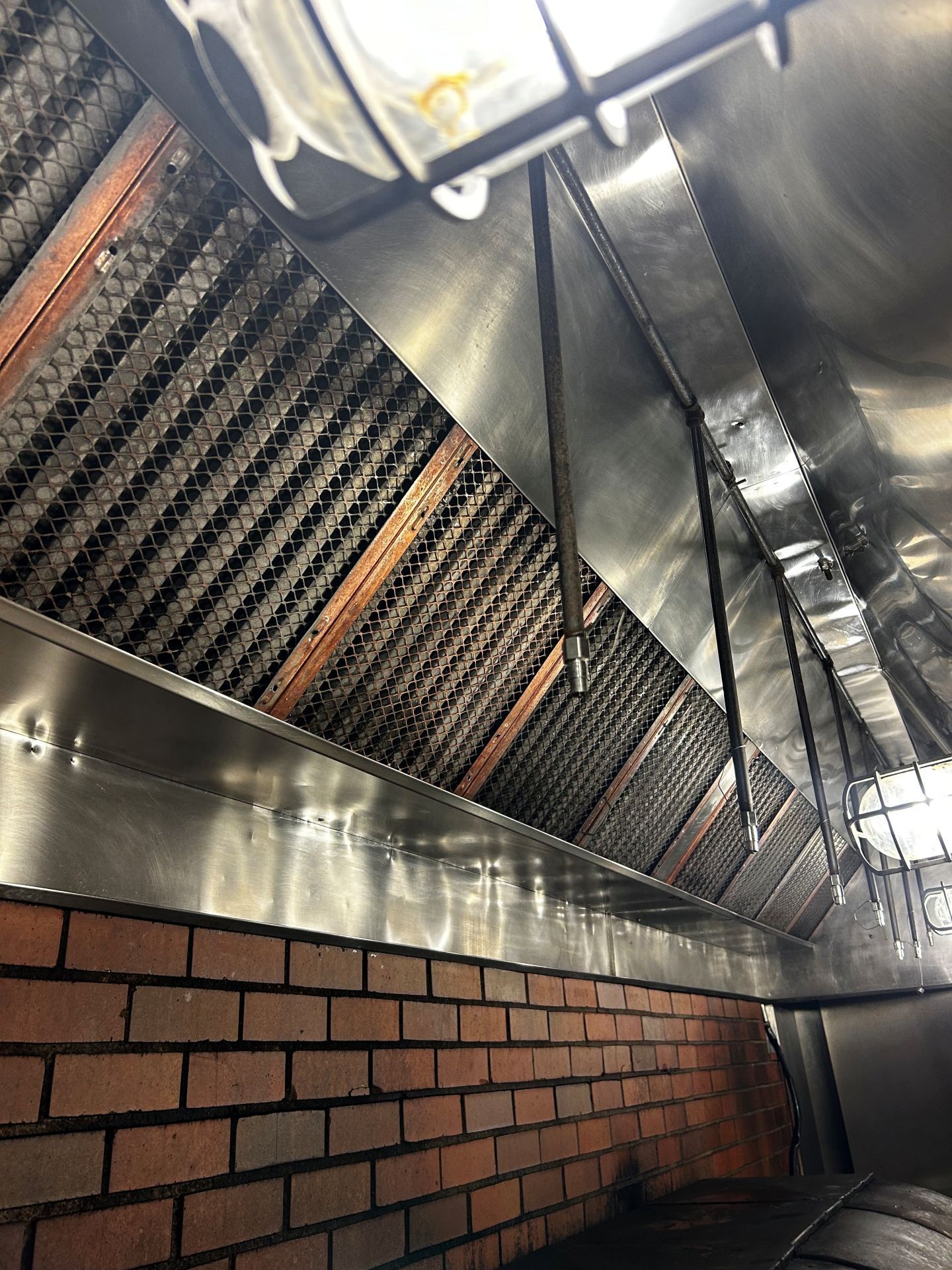
Complete hood cleaning involves disassembling baffle filters and accessing the interior plenum where grease collects on vertical walls and horizontal ledges. Crews degrease fan blades, motor housings, and dampers that control airflow, then flush ductwork to remove buildup from sections between the hood and roof cap. Written checklists document each component serviced during the visit, ensuring consistency across scheduled cleanings and preventing the missed steps that leave grease deposits in place.
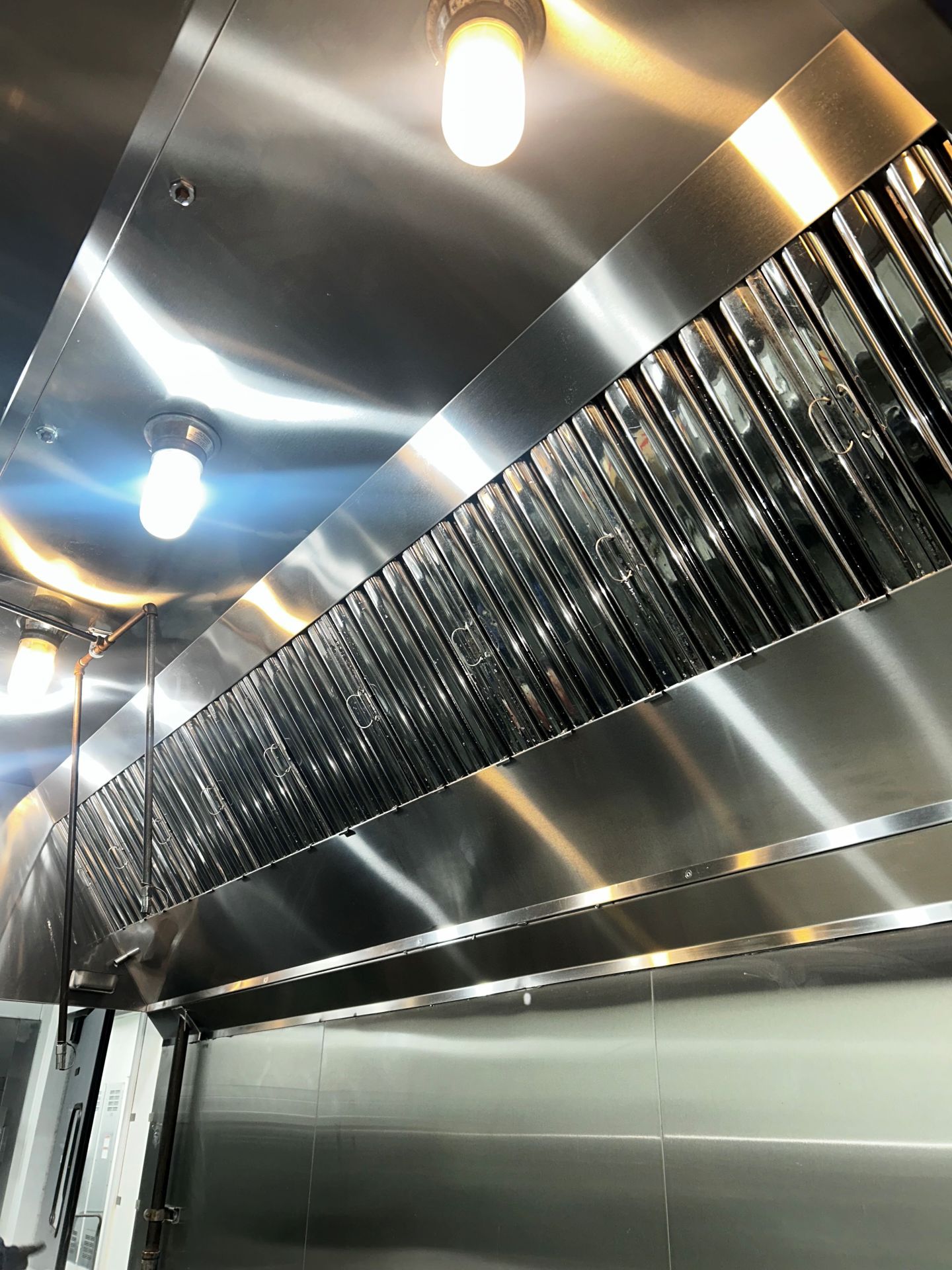
After the cleaning, hood interiors show bare metal instead of tacky grease layers, and exhaust fans spin freely without the drag caused by caked-on residue. Vent caps outside the building no longer drip grease onto roofing or exterior walls, and airflow improves enough that kitchen temperatures drop during peak service hours. The difference becomes obvious when comparing pre-cleaning and post-cleaning conditions during walkthroughs with fire inspectors or health department staff.
Bonded and insured crews handle all degreasing work, and frequency-based service plans match the volume and type of cooking your kitchen performs. Scheduling accommodates off-hours access to minimize disruption, and the same crew returns for each visit to maintain familiarity with your specific exhaust system layout..
What Kitchen Managers Usually Ask
Commercial kitchen operators in Snohomish and the Seattle metro area often have similar concerns about exhaust system maintenance and fire code compliance before scheduling hood cleaning services.
How often does a commercial kitchen need hood cleaning?
Frequency depends on cooking volume and type—high-volume operations using solid fuel or charbroilers require monthly service, while moderate-volume kitchens using gas or electric equipment typically schedule quarterly cleanings to stay ahead of fire code violations and grease accumulation that impacts exhaust performance.
What areas does hood cleaning cover?
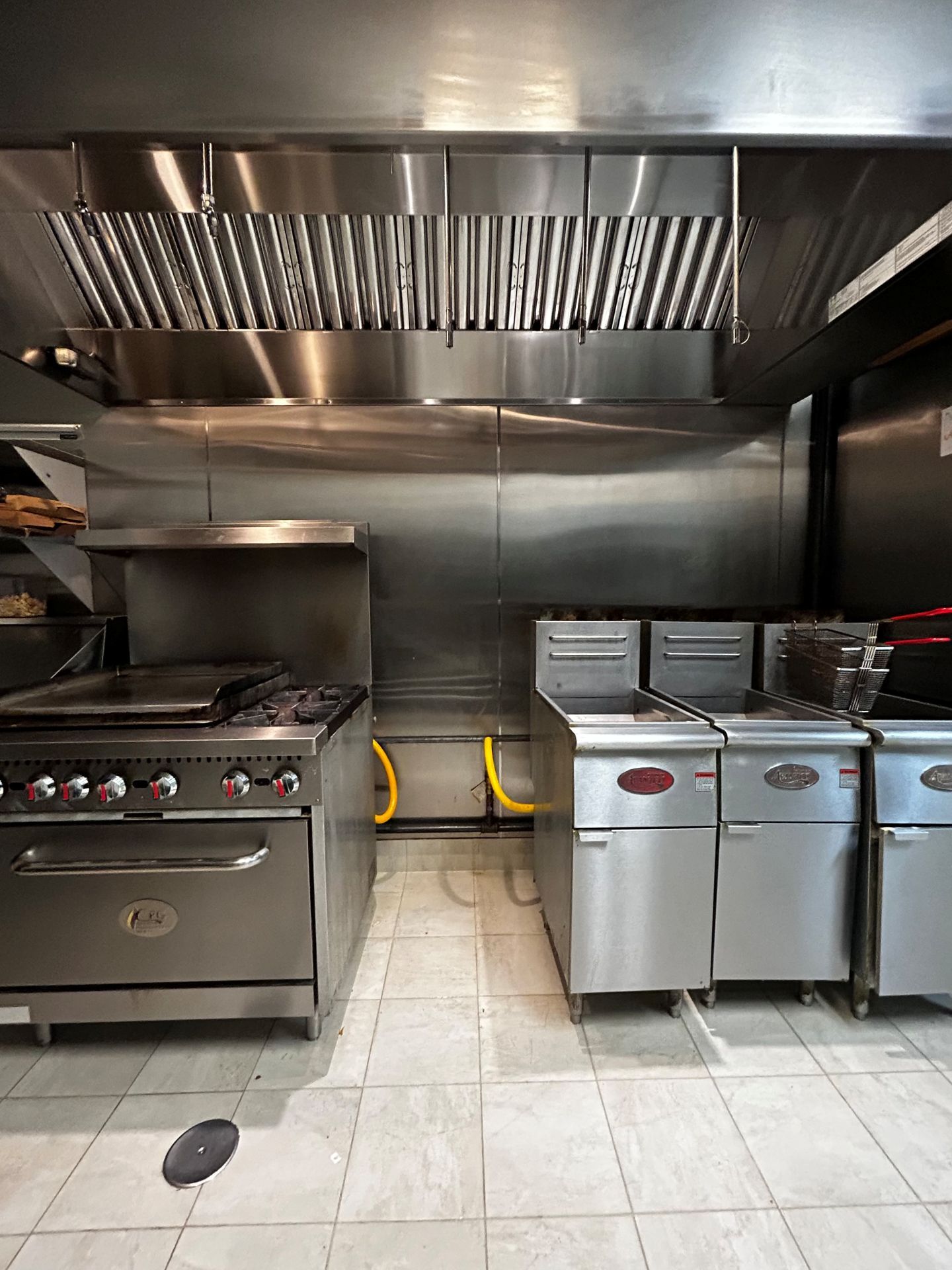
The service includes the entire exhaust pathway: hood cavity interior, baffle filters, exhaust fan blades and motor housing, ductwork from hood to roof cap, exterior vent cap, and grease traps where accessible. Written checklists ensure no component is overlooked during the visit.
Why do some companies miss detail work during hood cleaning?
Crews without checklist protocols often skip time-consuming tasks like degreasing vertical plenum walls, flushing ductwork past the first elbow, or cleaning damper assemblies. Grease remains in these hidden areas and shows up during fire inspections, resulting in violations despite recent cleaning.
What happens if grease accumulates between scheduled cleanings?
Grease buildup reduces exhaust efficiency, causing higher kitchen temperatures and increasing the risk of flash fires that ignite residue inside ductwork. Adjusting cleaning frequency based on actual buildup patterns prevents these issues and keeps operations compliant with local fire codes.
Can hood cleaning prevent equipment shutdowns during inspections?
Regular degreasing keeps exhaust systems within code limits, and documented service records demonstrate compliance during fire marshal or health department visits. Consistent maintenance eliminates the surprise violations that force temporary closures and lost revenue.
Regulator Hood Cleaning operates throughout Snohomish and the Seattle metro area with bonded, insured crews who follow written protocols for every visit. Arrange an on-site consultation to establish a cleaning schedule that matches your kitchen's operational demands and regulatory requirements.