Systems That Maintain
Airflow and Fire Safety
Exhaust System Maintenance in Snohomish for commercial kitchens requiring scheduled duct degreasing and component inspection
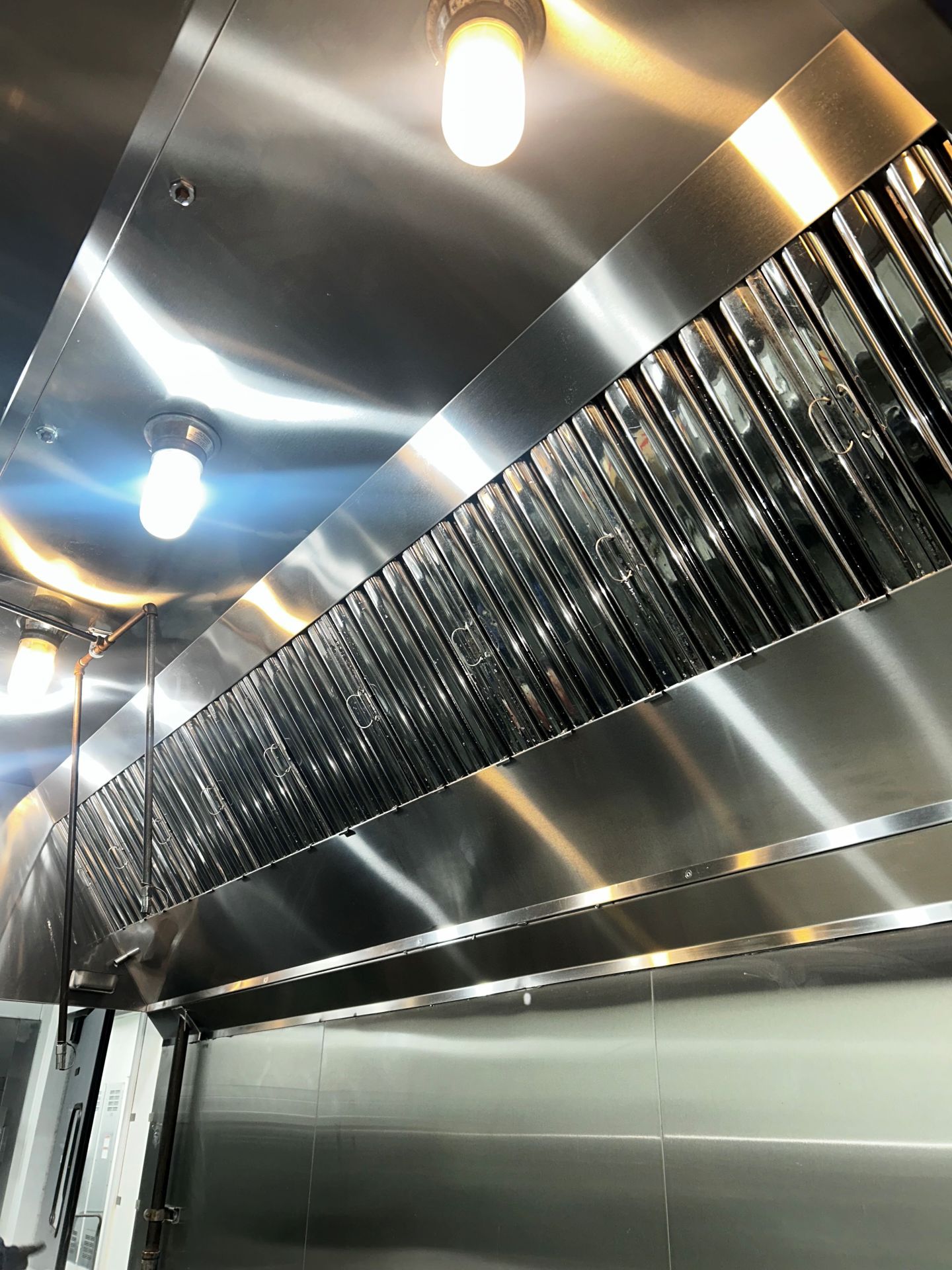
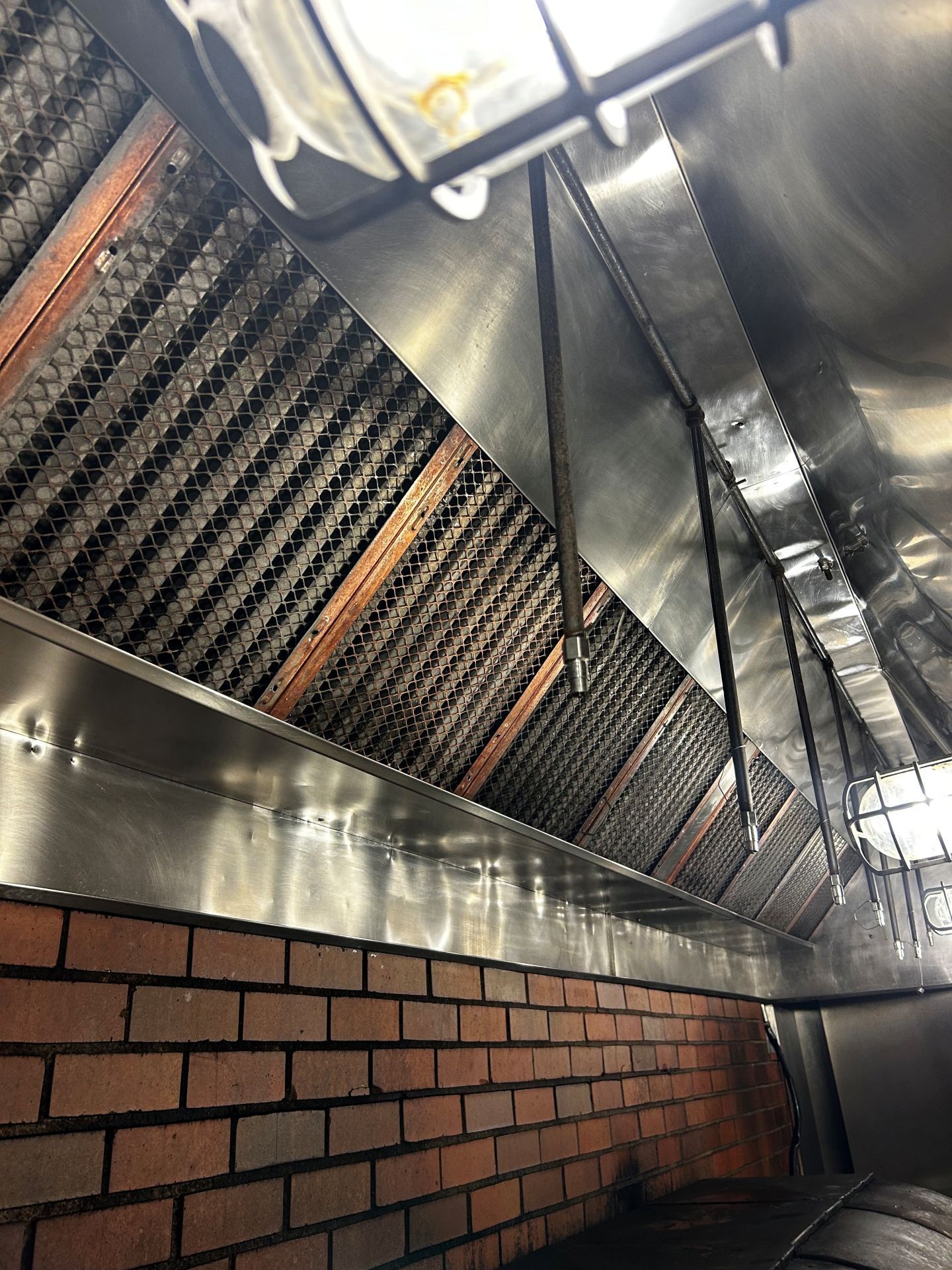
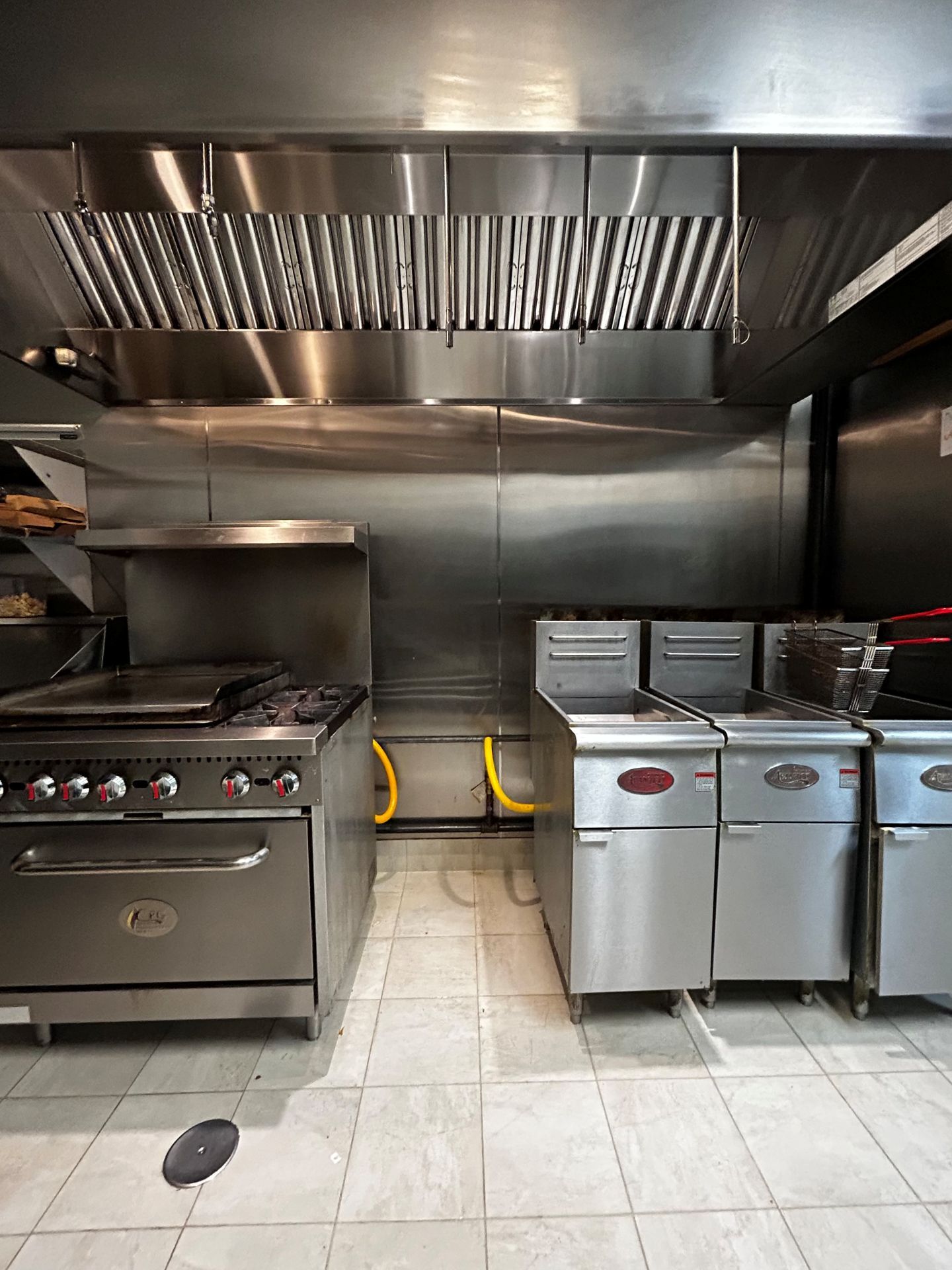
Duct degreasing, damper inspection, fan performance checks, and grease trap clearing form the foundation of scheduled exhaust system maintenance that prevents fire hazards and equipment failures in commercial kitchens. Regulator Hood Cleaning provides frequency-based service plans for operations in Snohomish, Seattle, and Bellevue, where high-demand food service generates grease accumulation that degrades exhaust efficiency between cleanings. Regular maintenance reduces emergency repairs by identifying worn components before they fail, and documented service records support compliance during fire marshal and health department inspections.
Maintenance visits address ductwork sections where grease condenses during cooling cycles, dampers that control exhaust flow, fan motors that overheat under grease load, and grease traps that overflow when neglected. Crews inspect each component for wear patterns, corrosion, and grease buildup that exceeds safe operating levels, then perform degreasing and minor adjustments to restore proper function.
Arrange an evaluation session to review your exhaust system layout and determine the maintenance frequency that matches your cooking volume and equipment type.
What You Notice Once Maintenance Is Completed
Scheduled exhaust system maintenance involves inspecting fan blades for balance and grease accumulation, flushing ductwork to remove deposits from horizontal runs and elbows, checking damper operation to confirm proper airflow modulation, and clearing grease traps before they overflow into drain lines. Frequency-based service plans prevent the heavy buildup that requires extended downtime for deep cleaning, keeping systems within fire code limits and maintaining consistent exhaust performance across all cooking stations.
After maintenance, exhaust fans run quietly without the vibration caused by unbalanced or grease-laden blades, and kitchen temperatures remain stable during peak service hours because airflow is no longer restricted by duct deposits. Dampers open and close smoothly instead of sticking in partially closed positions, and grease traps drain properly without backing up into sinks or floor drains. Fire inspectors find clean ductwork and properly functioning components during walkthroughs, eliminating violations that trigger reinspection fees or operational restrictions.
Bonded and insured technicians handle all inspection and degreasing work, and written service checklists document findings from each visit. Scheduling flexibility accommodates late-night or early-morning access, and the same crew returns for each maintenance appointment to maintain familiarity with your system's specific configuration and performance history.
Questions Before Starting Your Service
Commercial kitchen operators throughout the Snohomish and Seattle metro area typically ask similar questions about exhaust system maintenance protocols and scheduling before establishing service agreements.
What does exhaust system maintenance include that standard hood cleaning does not?
Maintenance visits add component inspection and performance testing to standard degreasing work—crews check fan motor amperage draw, damper linkage function, ductwork joint integrity, and grease trap capacity. These inspections identify developing problems before they cause equipment failure or code violations.
How often should commercial kitchens schedule exhaust system maintenance?
Frequency depends on cooking volume and equipment type. High-volume operations benefit from monthly visits, while moderate-volume kitchens typically schedule quarterly maintenance. Snohomish-area fire codes mandate minimum frequencies, but operational demands may require more frequent service to maintain performance.
Why do exhaust fans fail more often in kitchens without regular maintenance?
Grease accumulation on fan blades creates imbalance that wears bearings prematurely, and grease buildup around motor housings traps heat that shortens motor life. Regular degreasing and inspection prevent these failure modes, extending equipment service life and avoiding costly emergency replacements during peak business hours.
What happens during a damper inspection?
Technicians check damper blades for free movement, inspect linkage for corrosion or binding, verify proper closure when exhaust fans stop, and clean grease from damper edges that prevents tight sealing. Properly functioning dampers prevent backdrafts and maintain correct airflow balance across multiple hood systems.
Can maintenance visits be scheduled around business hours?
Service appointments accommodate late-night or early-morning access to minimize disruption to meal service. Consistent scheduling prevents last-minute conflicts, and the same crew returns for each visit to complete work efficiently based on familiarity with your system layout.
Regulator Hood Cleaning operates in Snohomish, Seattle, and Bellevue with bonded crews trained in comprehensive exhaust system protocols. Contact our office to establish a maintenance schedule that addresses your kitchen's specific operational demands and regulatory compliance requirements.